
Our field trip in week 2 was to the Carpinteria Bluffs – a 52 acre coastal property with great views of the Santa Ynez mountains, the ocean and the
Channel Islands.

Local residents, with help from the
Santa Barbara Land Trust, worked to purchase this property and maintain it as open and undeveloped space. The history of this preservation effort is described in this site for the
SB Land Trust, and this one for the
Citizens for the Carpinteria Bluffs. We are all fortunate to have access to this now-public site thanks to their determination, vision, and hard work!
Though much of the vegetation we saw was non-native, there is active restoration of native coastal scrub species at the site (we saw
California sagebrush, coyote bush,
California bush sunflower, purple needle grass, and others). The dominant grass we saw was the pretty, but invasive, veldt grass, introduced from
S. Africa. We enjoyed the shade walking along the long row of tall
eucalyptus trees. Here, and previously, we discussed
the introduction of eucalyptus from Australia and Tasmania to California in the mid 1800’s.
One of the special aspects of this site is the harbor seal rookery east of the Casitas pier and visible from the bluffs. Though it’s not uncommon to see a lone harbor seal in the nearshore waters or even groups of them hauled out on local secluded beaches, this is one of only a few sites along the southern California coast where the seals come to give birth to their pups.
The beach is closed 750 feet on either side of the rookery from December through May, so that disturbance is minimizing during the season when pups are born and weaned. From the excellent viewing location on the bluff above the rookery we were able to see a few small harbor seal pups in addition to the many adult and juvenile seals lounging on the beach and rocks. When you come back on your own, if you want to see the pups when they’re first born, come a little earlier in the year, like February or March. As was the case when we were there, generally a member of Seal Watch is there, and he or she will be happy to answer questions or fill you in on the latest activities happening at the site.

Here are a few links to sites with information about harbor seals,
Phoca vitulina. (The lovely photo is from wikipedia – photo credit
Marcel Burkhard)
from
Venoco (the oil co. next door...)
By the way, do you know the poem Rudyard Kipling wrote about seals? Perhaps next time you come to this site, you’ll want to bring it with you…
Seal Lullaby
By Rudyard Kipling
Oh! hush thee, my baby, the night is behind us
And black are the waters that sparkled so green.
The moon, O'er the combers, looks downward to find us
At rest in the hollows that rustle between.
Where billow meets billow, there soft by the pillow.
Oh, weary wee flipperling, curl at thy ease!
The storm shall not wake thee, no shark shall overtake theeAsleep in the storm of slow-swinging seas.
map to our field trip site


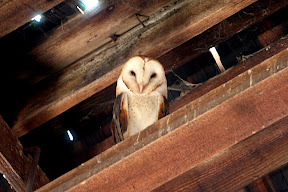


 To learn about grassland and oak woodland communities we visited Sedgwick Reserve – one of the gems in the
  villosum), the hemiparasite that derives all its water and mineral nutrients from the host tree. The second was lace lichen (Ramalina menziesii), which most likely does no harm to the tree itself, and in fact provides its host/the oak with wind-borne nutrients that are captured, run off the lichen when it rains, and are deposited in the soil below the tree canopy.


 Our field trip in week 2 was to the Carpinteria Bluffs – a 52 acre coastal property with great views of the Santa Ynez mountains, the ocean and the
  Local residents, with help from the Santa Barbara Land Trust, worked to purchase this property and maintain it as open and undeveloped space. The history of this preservation effort is described in this site for the SB Land Trust, and this one for the Citizens for the Carpinteria Bluffs. We are all fortunate to have access to this now-public site thanks to their determination, vision, and hard work!
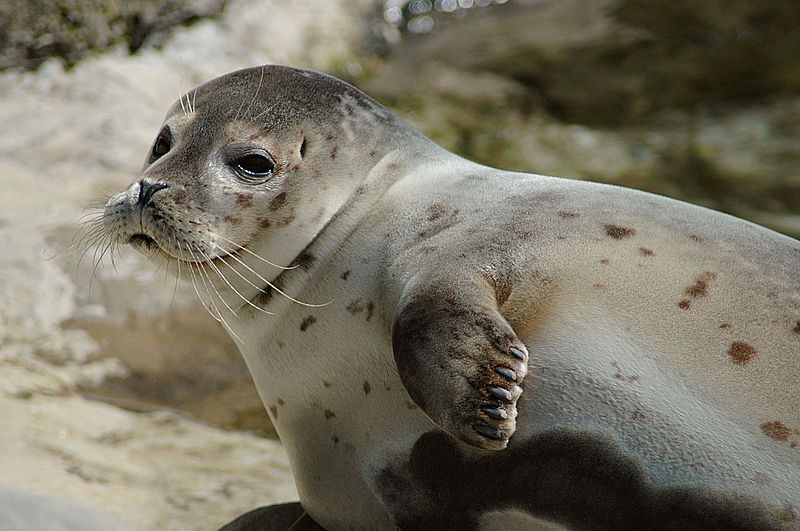 Here are a few links to sites with information about harbor seals, Phoca vitulina. (The lovely photo is from wikipedia – photo credit Marcel Burkhard)


